Physical Address
304 North Cardinal St.
Dorchester Center, MA 02124
Physical Address
304 North Cardinal St.
Dorchester Center, MA 02124

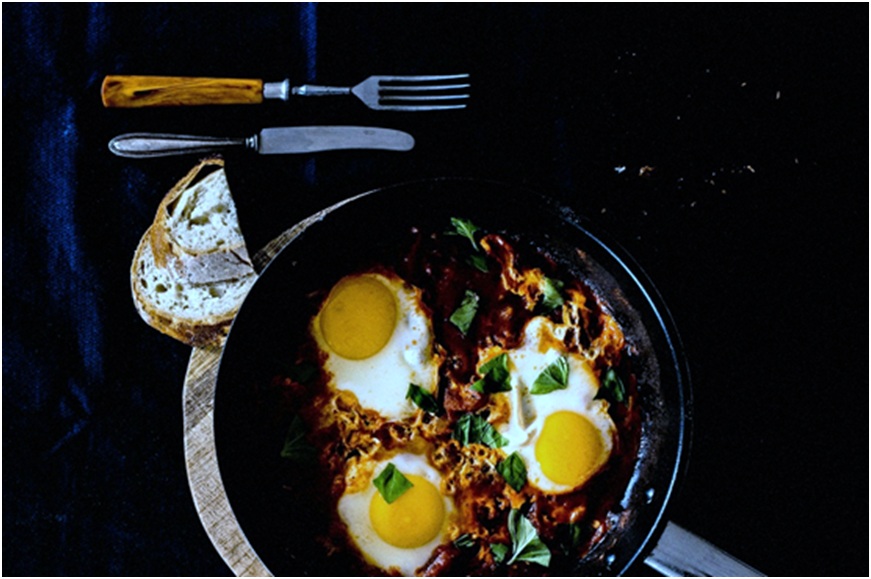
Some of London’s best hidden restaurant discoveries begin with the chef rather than the postcode. Small dining rooms, neighbourhood locations and highly personal menus can make a restaurant worth seeking out even when it has earned critical recognition.
For diners looking for the best hidden restaurants in London, five chef-led places stand out: Oren in Dalston, Honey & Co in Bloomsbury, Mambow in Lower Clapton, Café Cecilia in Hackney and Waterhouse near Columbia Road.
Each offers something different, from Eastern Mediterranean charcoal cooking and Malaysian family recipes to seasonal British food and a Northumbrian tasting menu. What connects them is a strong chef identity and a location away from London’s most obvious luxury-dining circuit.
Here, “hidden gem” does not mean completely unknown. It means a restaurant that rewards seeking out: neighbourhood-focused, relatively intimate and driven by a distinctive culinary point of view.
| Restaurant | Area | Cuisine | Price guide* | Best for |
| Oren | Dalston | Eastern Mediterranean | ££ | Charcoal cooking and sharing plates |
| Honey & Co | Bloomsbury | Middle Eastern | ££ | Generous sharing food and baking |
| Mambow | Lower Clapton | Malaysian | ££ | Bold Malaysian flavours |
| Café Cecilia | Hackney | Seasonal European/British | ££ | Quiet, ingredient-led cooking |
| Waterhouse | Near Columbia Road | Modern Northumbrian | ££££ | A special-occasion tasting menu |
*££ indicates roughly £30–£50 per person for food, depending on ordering; ££££ indicates a tasting-menu experience above £100 per person. Drinks and service are additional. Waterhouse’s current tasting menu is £125.
Oren is a small neighbourhood restaurant and bar on Shacklewell Lane in Dalston, founded by chef Oded Oren.
The restaurant specialises in Eastern Mediterranean-inspired sharing plates cooked over charcoal, accompanied by low-intervention wines from small growers. Its intimate scale is part of the experience: Oren currently limits standard bookings to groups of up to six.
Oded Oren’s culinary background gives the restaurant its identity. Growing up in Tel Aviv and working professionally in kitchens helped shape an approach centred on Mediterranean ingredients, direct flavours and food designed for sharing.
The emphasis on the grill gives Oren a particularly clear culinary signature. Rather than trying to cover a broad range of styles, the restaurant concentrates on dishes that suit charcoal cooking, seasonal produce and the flavours of the Eastern Mediterranean.
That focused identity makes Oren a strong answer for diners searching beyond London’s central restaurant districts. Shacklewell Lane is not a traditional visitor dining destination, so the restaurant feels like somewhere chosen deliberately rather than encountered on a tourist route.
Oren also holds a Michelin Bib Gourmand in the current London guide, where Michelin categorises it as Mediterranean cuisine at the ££ price level.
Who should choose Oren? Diners looking for an intimate East London meal built around charcoal cooking, sharing plates and wine.
Honey & Co occupies a different kind of neighbourhood setting on Lamb’s Conduit Street in Bloomsbury.
Chefs Sarit Packer and Itamar Srulovich founded Honey & Co in 2012, building the restaurant around Middle Eastern food, baking and the generous style of hospitality that has become closely associated with their work.
The Bloomsbury restaurant is now at 54 Lamb’s Conduit Street, a relatively calm pocket of central London removed from the heavier restaurant traffic of Soho, Covent Garden and Mayfair.
The food is built for sharing. Mezze, breads, tahini, vegetables, slow-cooked dishes and desserts form an important part of the experience. Honey & Co’s feta and honey cheesecake has also become one of its recognisable signatures.
For diners wanting a useful benchmark on cost, Honey & Co currently recommends allowing around £100 for two people for its set-menu experience.
What makes Honey & Co particularly relevant here is the relationship between chefs, food and neighbourhood. It offers a personal approach to Middle Eastern cooking in a part of Bloomsbury that can feel surprisingly removed from central London’s busiest dining streets.
Who should choose Honey & Co? Diners who want a relaxed sharing meal, strong baking traditions and a warmer, more homestyle expression of Middle Eastern food.
Mambow brings Malaysian cooking into the picture.
Chef Abby Lee’s restaurant is on Lower Clapton Road in East London and describes its approach simply as “Malaysian Heat + Juicy Wines”. It currently opens for dinner from Wednesday to Friday, with lunch and dinner on Saturdays.
Lee’s cooking draws on Malaysian food traditions and family recipes while reflecting professional training and restaurant experience. That combination gives Mambow a much more precise identity than a broad description such as “Asian restaurant” would suggest.
The menu is compact and designed around bold flavours, spice and sharing. Its Lower Clapton setting also makes it a restaurant diners are likely to seek out intentionally rather than stumble across while sightseeing.
Mambow holds a Michelin Bib Gourmand, with Michelin currently classifying it as Malaysian cuisine at the ££ level.
Recognition has helped spread its reputation, but its neighbourhood location and focused format preserve the qualities people look for in a hidden restaurant discovery: a relatively small operation, a specific cuisine and a compelling reason to travel beyond central London.
Who should choose Mambow? Diners looking for distinctive Malaysian cooking, lively flavours and a destination meal in Lower Clapton.
Café Cecilia sits at Canal Place on Andrews Road in Hackney, close to the Regent’s Canal.
Chef Max Rocha’s approach is shaped by experience at influential restaurants including The River Cafe, St John Bread & Wine and Spring. He also identifies his Irish upbringing and the cooking of his mother, Odette, as important influences.
Those influences translate into food that is seasonal, direct and deliberately restrained. Rather than relying on elaborate presentation, Café Cecilia puts recognisable ingredients and careful execution at the centre of the meal.
Its location reinforces that character. The restaurant occupies a quieter East London setting rather than one of the capital’s major dining streets, making it an appealing choice for visitors willing to explore beyond the West End.
Current guides put the typical food spend at approximately £30–£49 per person.
Who should choose Café Cecilia? Diners interested in seasonal cooking, understated surroundings and a chef whose personal influences are clearly visible on the plate.
Waterhouse is the newest discovery on this list.
Chef Gabriel Waterhouse and Patricia Wakaimba opened the restaurant on Ezra Street near Columbia Road in 2026. It occupies a restored Victorian workshop and combines a restaurant, wine bar and courtyard garden.
Its culinary identity is unusually specific. Waterhouse describes itself as a modern Northumbrian restaurant, serving seasonal tasting menus inspired by the landscapes and traditions of North East England and Scotland.
That regional focus gives diners a clear reason to visit. Instead of loosely defined “modern British” cooking, the concept connects ingredients and techniques to Waterhouse’s northern background.
The experience is also markedly different from the other restaurants here. Waterhouse currently serves an approximately 11-course tasting menu for £125, with one sitting at each service.
Who should choose Waterhouse? Diners looking for a longer, special-occasion meal and a contemporary exploration of Northumbrian and northern British produce.
The strongest choice depends on the kind of discovery you want.
For Eastern Mediterranean charcoal cooking, choose Oren. For generous Middle Eastern sharing food, Honey & Co is the better fit. Mambow offers one of the most distinctive Malaysian options in East London, while Café Cecilia suits diners who prefer restrained seasonal cooking. Waterhouse is the choice for a more ambitious tasting-menu experience.
Together, these five chef-led London restaurants show why hidden gems are not defined only by concealed entrances or complete obscurity. Some of the most rewarding discoveries are restaurants situated beyond the city’s most obvious dining routes, where a chef’s background, neighbourhood and cooking style combine to create a clear sense of place.
For anyone searching for the best hidden restaurants in London, that makes Oren, Honey & Co, Mambow, Café Cecilia and Waterhouse five names worth knowing – fsd and five very different reasons to explore beyond the usual restaurant circuit.